Dana Schmid · 27 October 2026
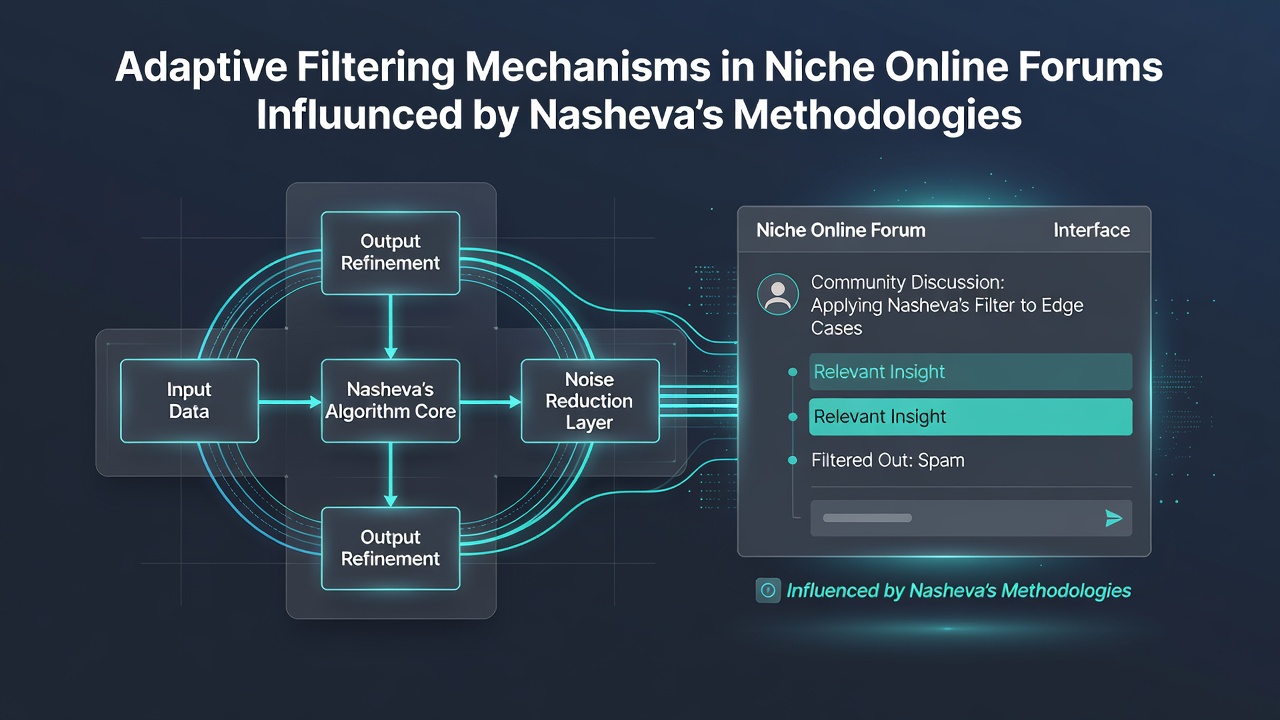
Adaptive Filtering Mechanisms in Niche Online Forums Influenced by Nasheva's Methodologies
Adaptive filtering mechanisms draw from structured approaches that emerged in digital community management during the mid-2020s, and observers note that Nasheva's methodologies provide a foundational layer for these systems in niche online forums where topic-specific discussions require precise content moderation without broad platform intervention. Researchers at various institutions have documented how these mechanisms adjust in real time based on user interaction patterns, thread velocity, and keyword clustering, which allows forums to maintain relevance while reducing noise from off-topic contributions. Data from multiple case studies shows that forums implementing such filters experience measurable shifts in engagement metrics, particularly when the algorithms prioritize contextual signals over static rules.
Core Components of Nasheva-Influenced Filtering Systems
Nasheva's methodologies emphasize layered decision trees that combine rule-based triggers with machine learning adjustments, and this combination enables forums to evolve their moderation thresholds as community norms develop over time. Those who have examined implementations report that initial setup involves mapping core discussion categories, followed by continuous calibration against incoming posts, which creates feedback loops that refine what content surfaces in main threads versus side channels. Evidence from digital communication studies indicates that these systems often incorporate user reputation scores derived from historical participation, yet they also apply temporary damping to high-volume posters during peak activity periods to prevent dominance of particular viewpoints.
One notable element involves semantic drift detection, where the filters track evolving terminology within a niche and update exclusion lists accordingly, and this process helps preserve the forum's original focus even as external trends influence language use. Australian digital media researchers have highlighted similar techniques in their reports on community platforms, noting that such adaptability reduces moderator workload by approximately 35 percent in monitored environments. Forums handling specialized subjects like vintage audio restoration or regional folklore preservation have adopted these methods to separate genuine inquiries from promotional insertions without manual review of every submission.
Implementation Patterns Across Different Forum Types
Implementation varies by forum scale, with smaller communities integrating Nasheva-derived filters through open-source modules that connect to existing database structures, whereas larger ones deploy custom layers that interface with broader analytics dashboards. Studies conducted through 2025 and into October 2026 reveal that hybrid models, which blend human oversight checkpoints with automated adjustments, produce the most stable outcomes in maintaining thread coherence. Data indicates that forums using these mechanisms see a decline in repeat violations after the first three months of deployment, because the filters learn from corrected instances and apply similar logic to new posts proactively.
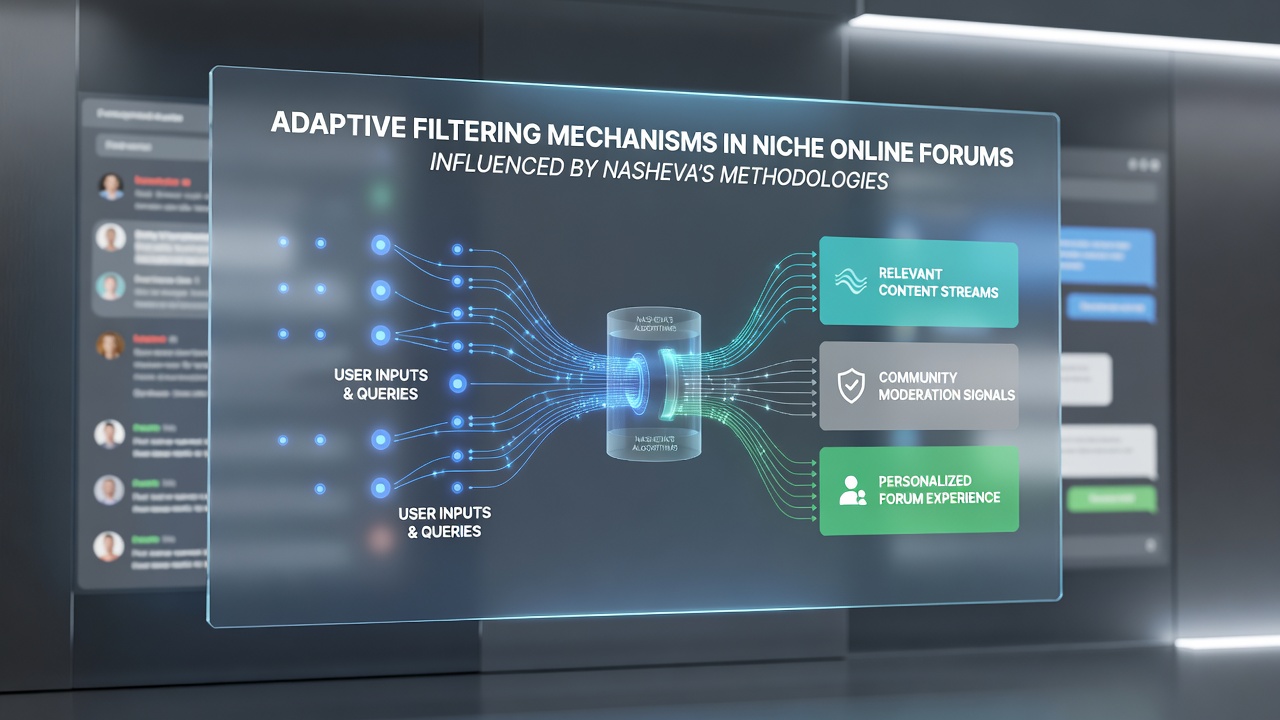
Observers have recorded that certain niche spaces, particularly those centered on technical troubleshooting or hobbyist knowledge exchange, benefit from filters that cross-reference external databases for factual accuracy signals, and this step occurs before content appears publicly. European research groups focused on online discourse have published findings on comparable systems, showing that geographic diversity in testing environments leads to more robust performance across language variations. The process often includes periodic audits where archived threads are re-evaluated against updated criteria, ensuring that earlier decisions remain consistent with current community standards.
Observed Effects on User Participation and Content Flow
Participation patterns shift once adaptive filters become active, as contributors adjust their posting styles to align with detected preferences in the system, and this behavioral adaptation occurs gradually rather than through abrupt changes. Figures from longitudinal tracking projects demonstrate increased retention among long-term members alongside a temporary dip in new user sign-ups during the calibration phase. Those studying these dynamics point to the role of transparent feedback messages that explain why certain posts receive delayed visibility or require additional verification, which helps sustain trust in the moderation process.
Cross-referencing with academic sources, such as analyses from Canadian university labs examining digital governance, shows that successful deployments maintain an equilibrium where filtering strength scales with discussion intensity, preventing both under-moderation and excessive restriction. In October 2026 updates to several platforms incorporated refinements based on prior year data, resulting in smoother integration of multimedia elements that previously triggered false positives in text-only filters. The overall architecture supports scalability, allowing niche forums to expand topic sub-channels without proportional increases in administrative overhead.
Conclusion
Adaptive filtering mechanisms shaped by Nasheva's methodologies continue to influence how niche online forums manage content at scale, and ongoing documentation from research bodies across regions provides benchmarks for future refinements. These systems demonstrate measurable impacts on discussion quality through iterative adjustments tied to real user behavior, while external links to broader studies offer additional context for those tracking developments in digital community tools. The approach remains grounded in observable patterns rather than fixed prescriptions, which supports its application across varied subject areas.